Concept stills
The world of the film.
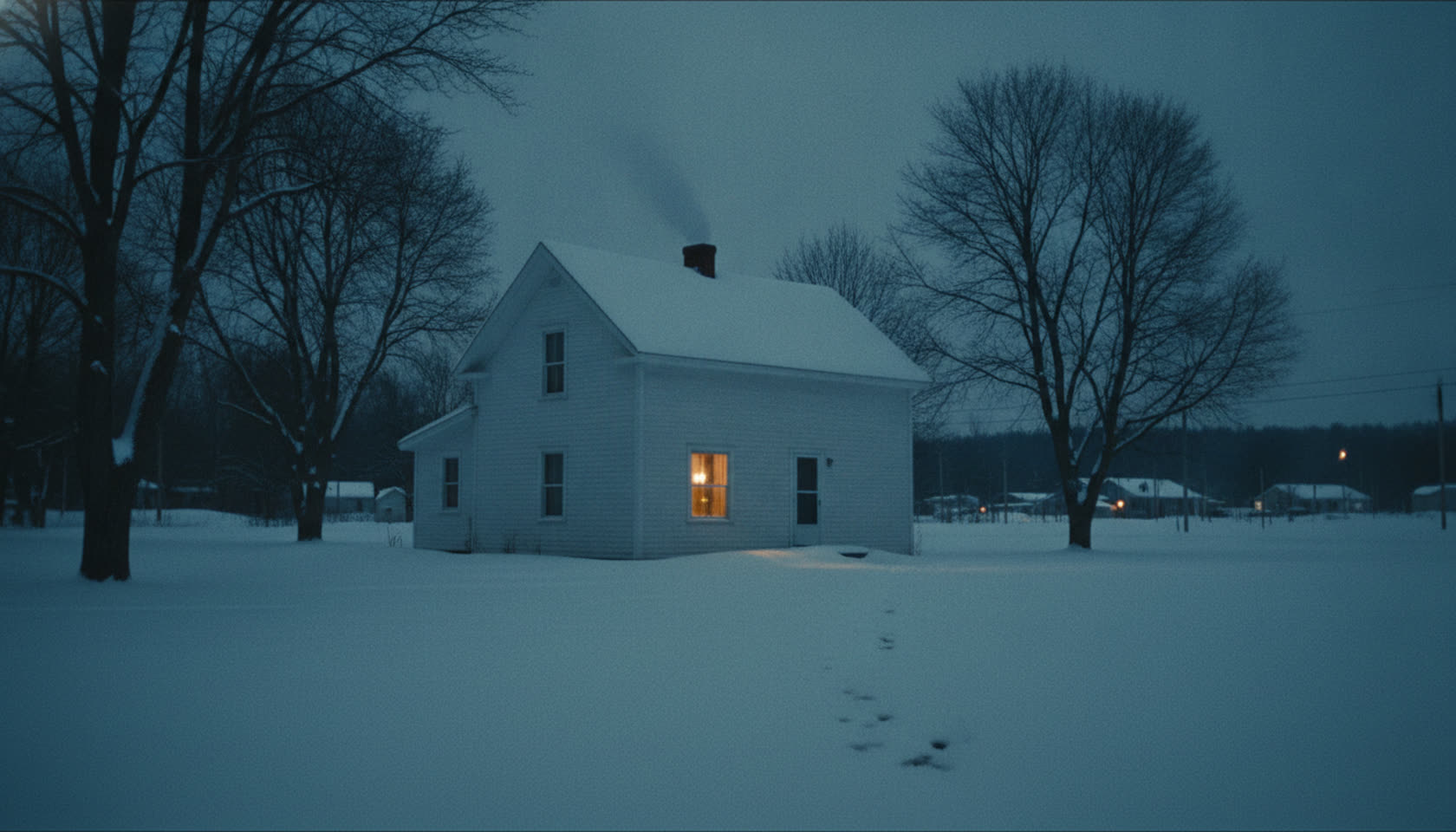
The house · winter
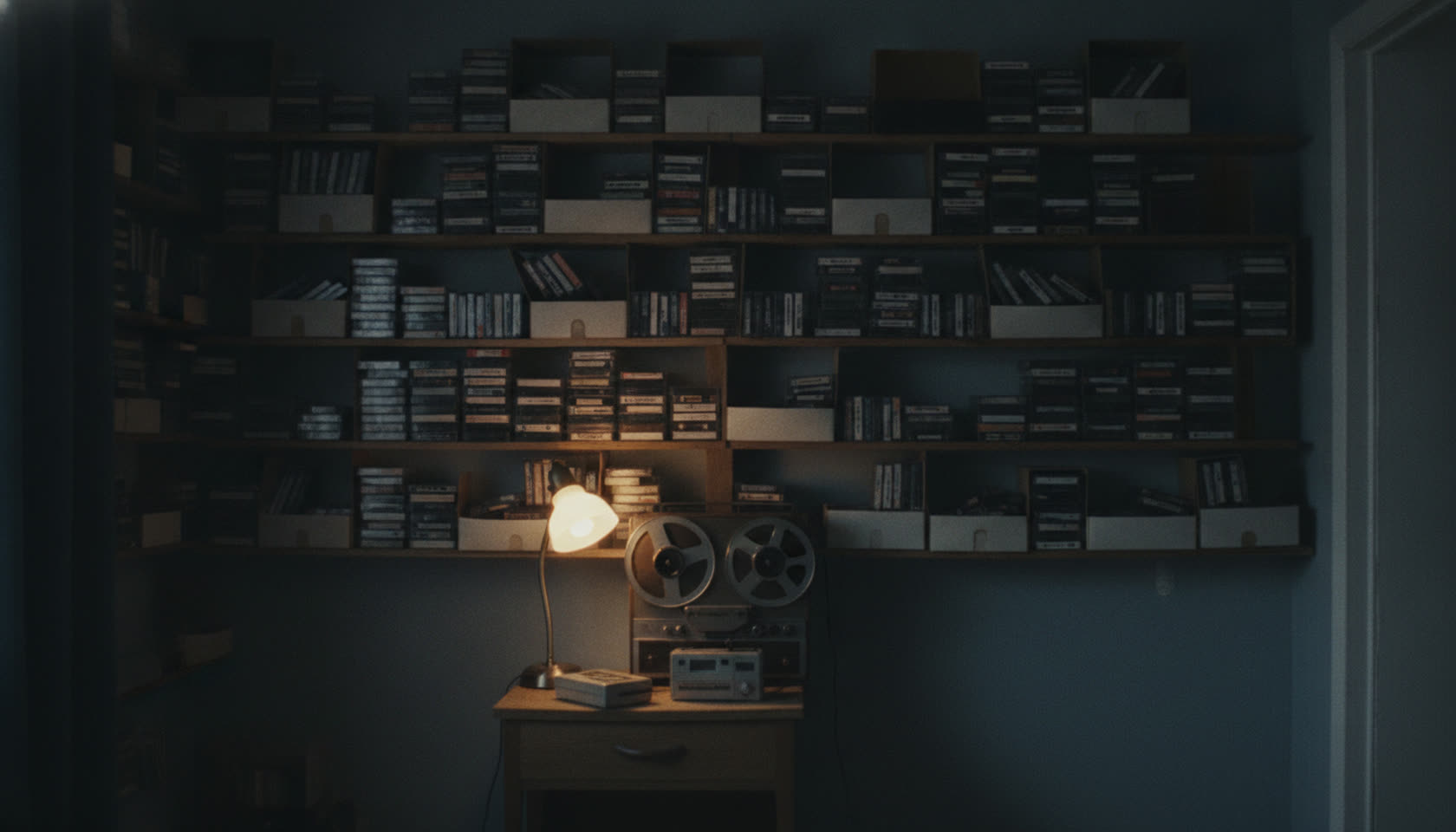
The wall of tapes
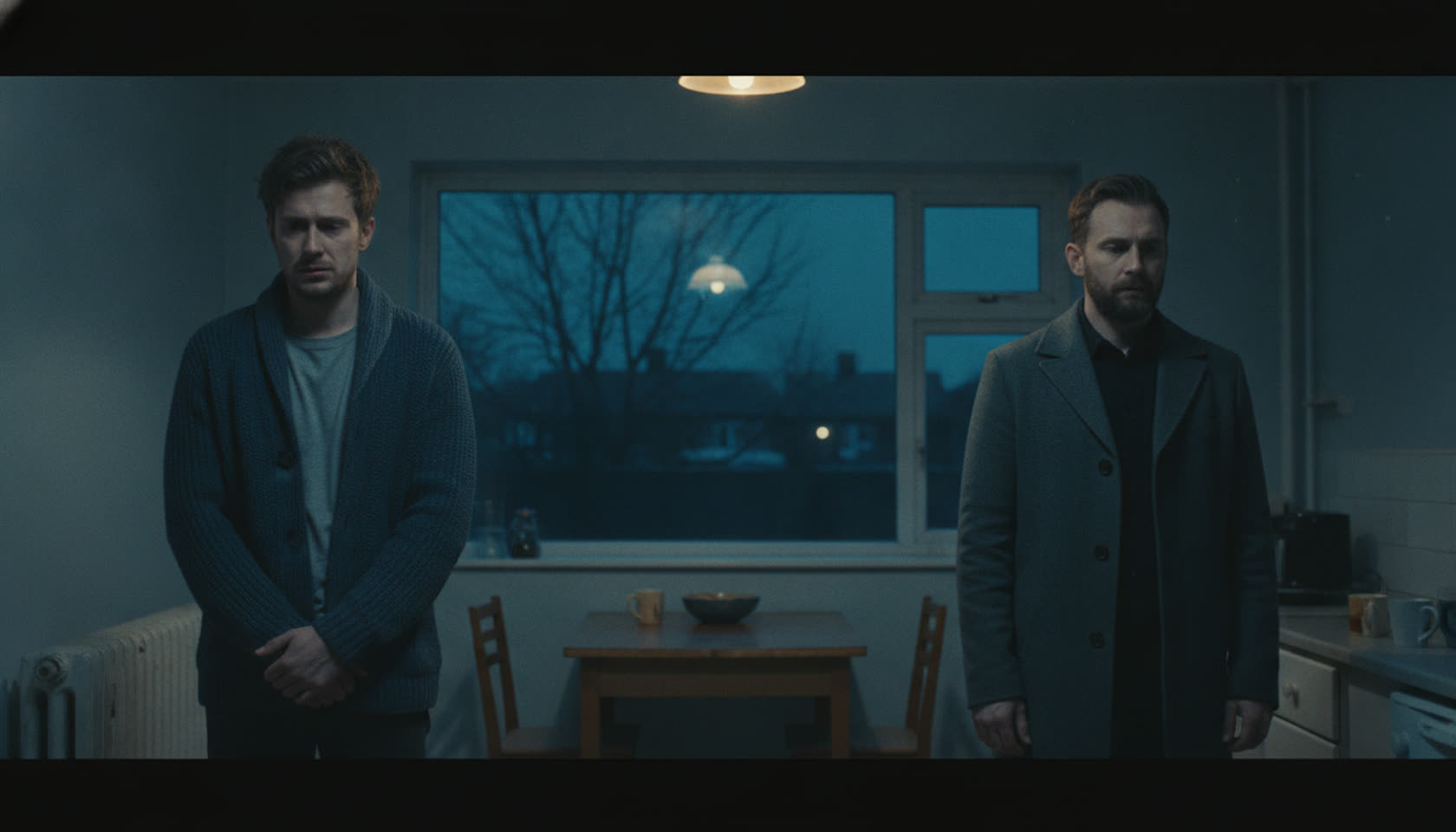
Two brothers, apart
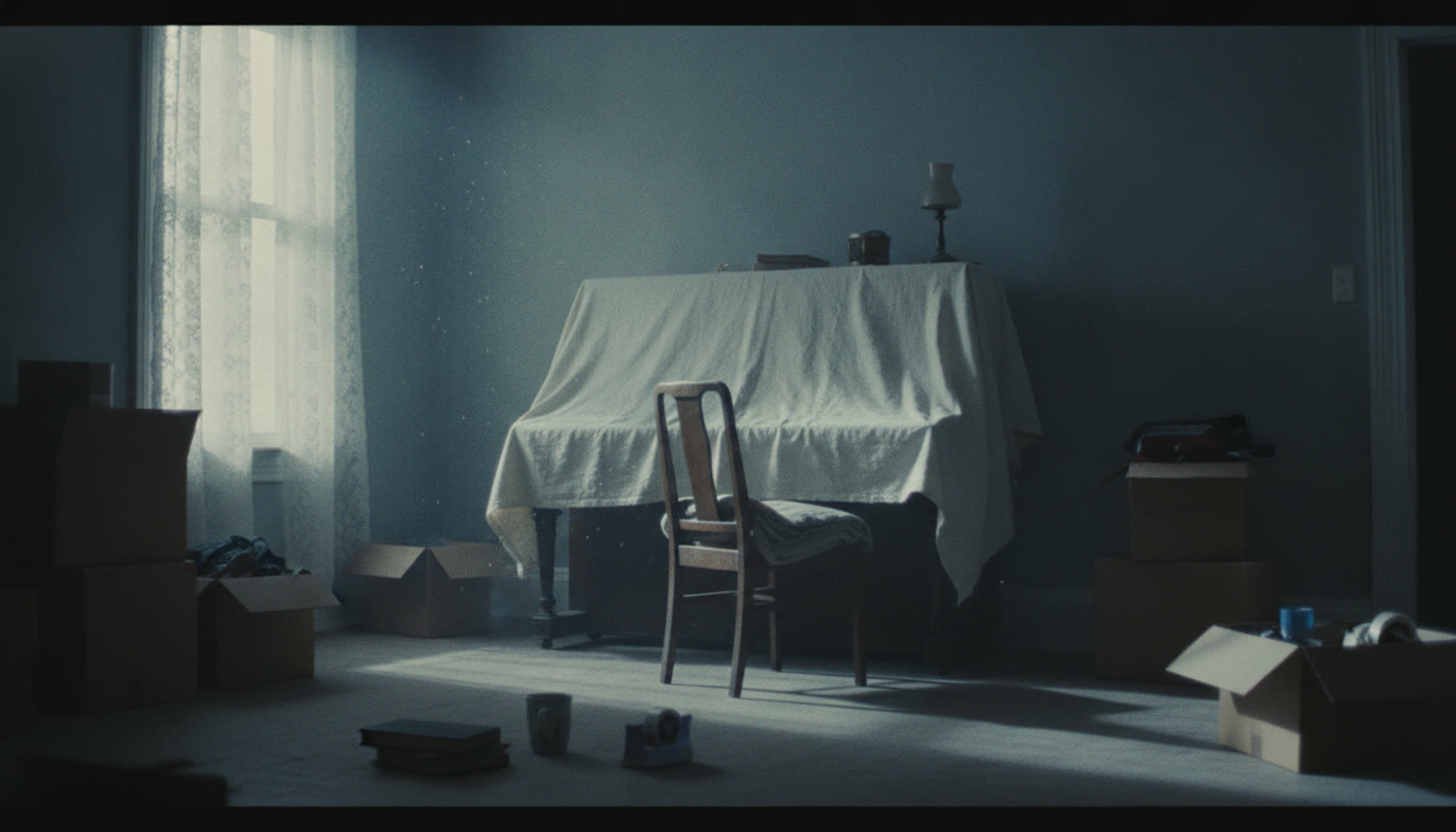
The dust-sheet piano
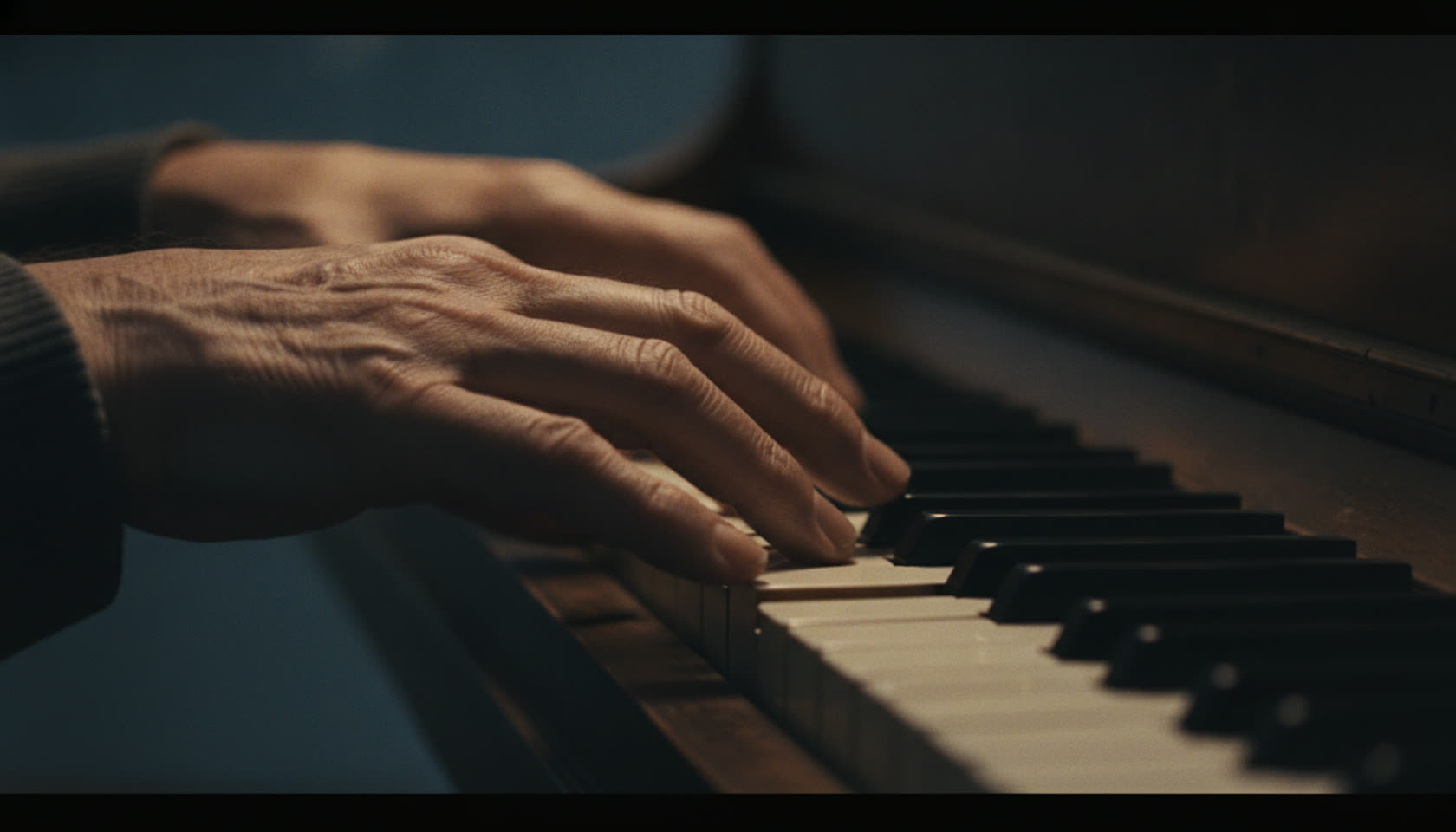
Hands on the keys
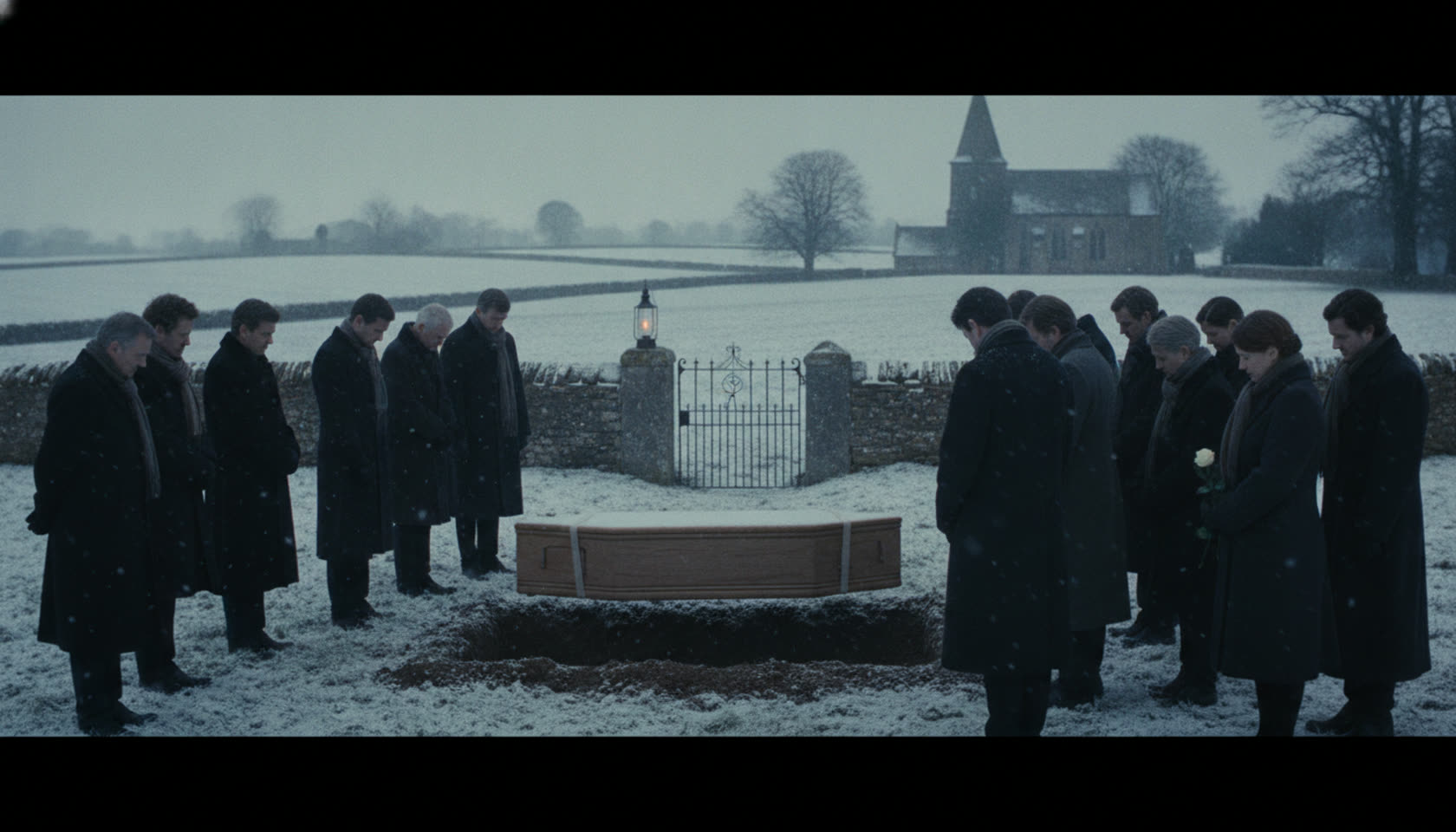
The graveside
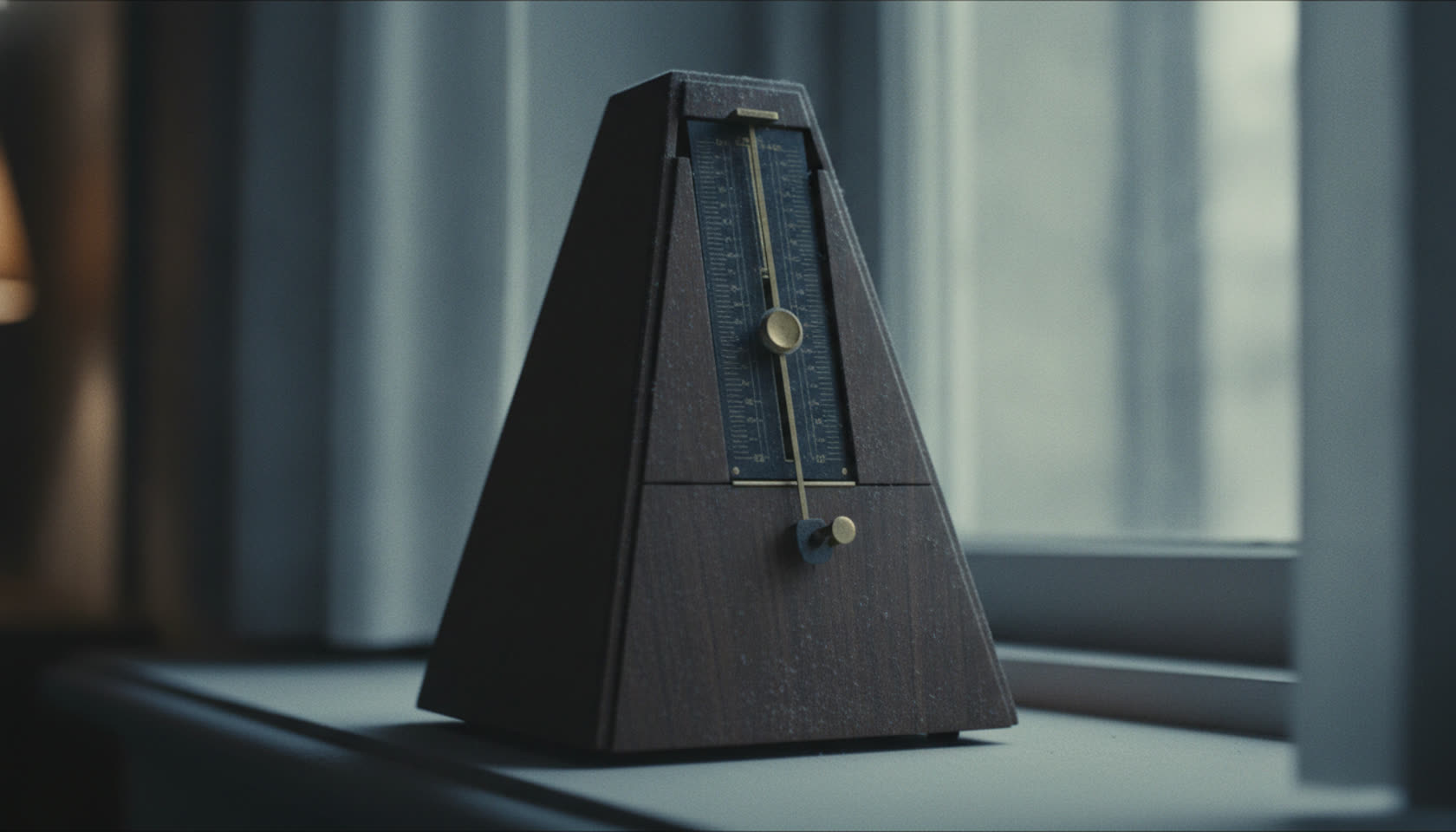
Time, stopped
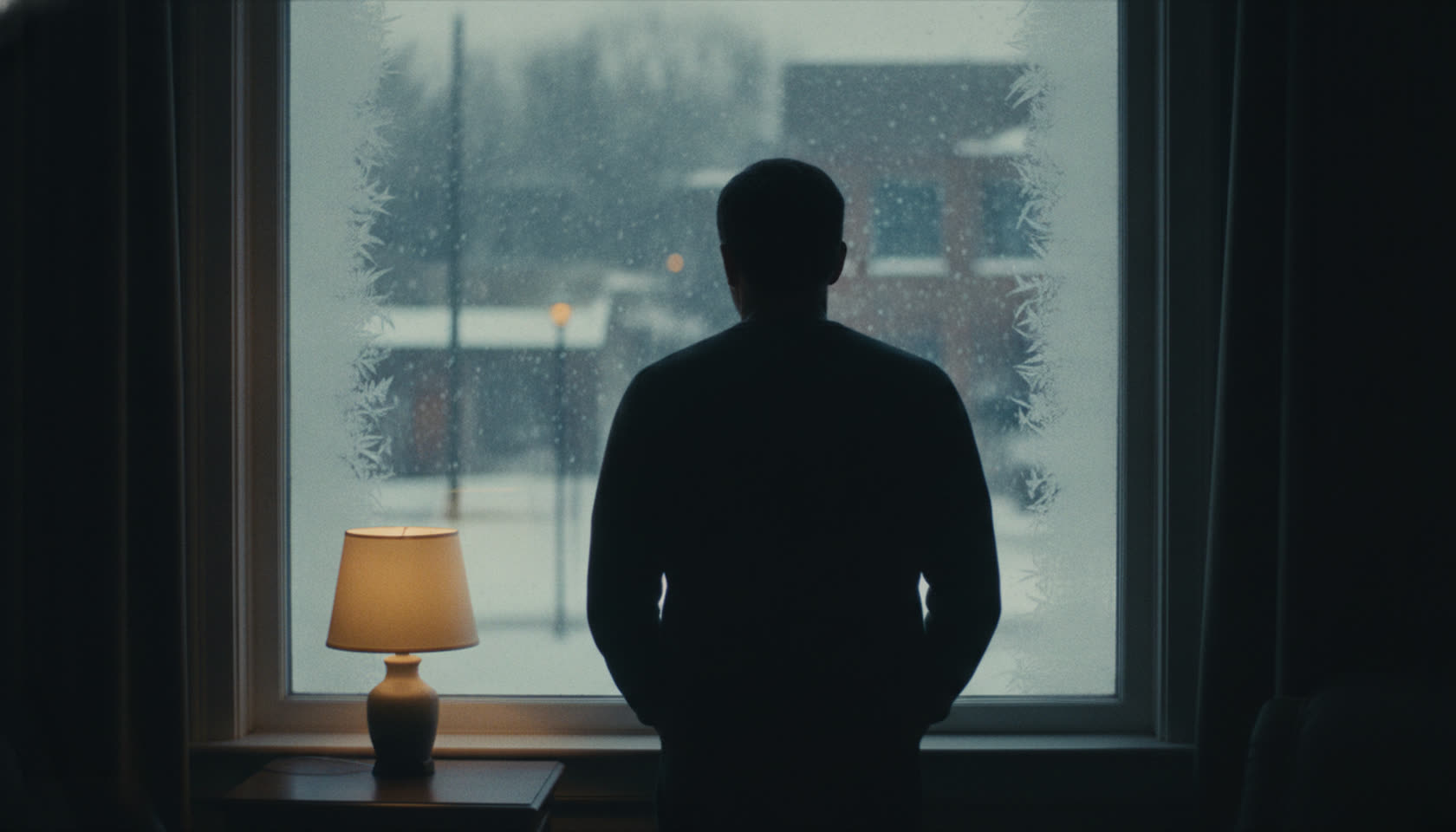
Alone with it
Some things you only hear after they're gone.
A piano tuner dies. His two estranged sons come home to clear the house in three days — and find the wall of cassette tapes he recorded as the disease took his memory.
As the younger brother begins forgetting words too, the tapes force them to finally hear the truth about the night their family broke — and to decide what mercy actually costs.
A ghost note is a note fingered and felt but barely sounded — present, and almost not there. Like a fading memory. Like the dead. Like the things a family never says out loud.
The film is a two-hander about siblings who can't talk — and a piano. We wrote it for Nat & Alex Wolff: actual brothers with prestige range and a shared instrument, so the chemistry and the score come built in.
“You're the one who sorts.”
Two men, one grave, and a house full of a dead man's voice. One brother left and built a life around a secret; the other stayed and is starting to lose his words to the same disease that took their father.
Reserved, controlled, guilty — “the stillness of a man counting exits.” The composure with a crack running through it that Nat brought to The Stand and Death Note.
Raw, proud, a gifted unfinished musician watching his own mind become a stranger — the haunted intensity Alex detonated in Hereditary and held quiet in Pig. He plays piano for real.
A fragile felt-piano motif — the tuner's instrument — floating over the hiss of a hundred tapes. Intimate, then one overwhelming swell, then silence.
No bombast — restraint is the awards move. Solo piano and small strings in the register of the modern greats of film scoring; a single recurring “family piece” that returns transformed, and one cathartic crescendo that collapses into a held, unresolved chord.
Built from the story itself: the instrument the father spent his life tuning, and the tapes he left behind. And because our leads are musicians, the cast can perform the theme — an end-credits song made for the campaign.
Grief, inheritance and a withheld family secret, compressed into three days and one location — the structure behind Amour and Manchester by the Sea. Reliable, not derivative.
Lived-in sibling friction no chemistry read can fake — the kind of authenticity that wins lead and ensemble acting prizes.
The dead father is a third character — heard, never seen — speaking from cassettes as his memory fails. The film is partly an act of listening.
GREENLIGHT makes Hollywood-grade films at venture economics — proven story architecture plus an AI production pipeline. Every frame and still on this page came out of that machine. A million-dollar look, a fraction of the cost — and the margin to make ten more.
The screenplay and the full pitch deck are ready. For producers, financiers, and festival partners.